
Ronald McDonald House Sensory Garden.
Reclaiming an overlooked campus space as a sensory garden and playful learning destination for families
Client: Ronald McDonald House Charities
Industry: Healthcare / Nonprofit
Services: Placemaking, Product & Service Design, Experiential and Visual Design, Sourcing and Manufacturing
Design Brief.
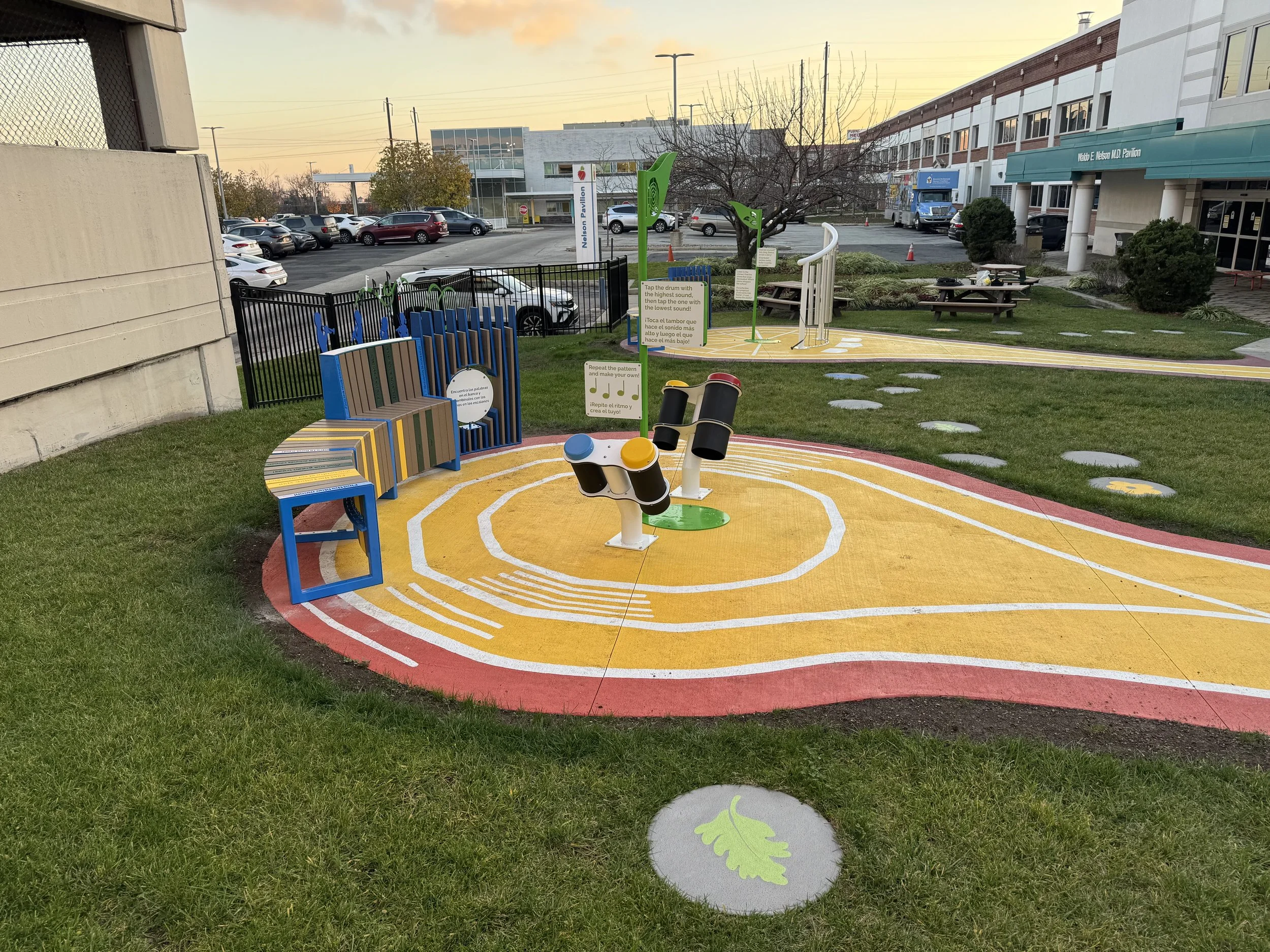
St. Christopher’s Hospital for Children and the adjacent Ronald McDonald House serve families navigating long days, difficult news, and the emotional weight of pediatric care. A narrow, underutilized outdoor area beside the parking garage had the potential to become something more: a sensory garden and playful learning space where children could move their bodies, caregivers could exhale, and families could experience a moment of normalcy just steps from the hospital. Our role was to translate design intent into buildable, durable elements that would be safe, accessible, and engaging for a wide range of ages and abilities.
Outcome.
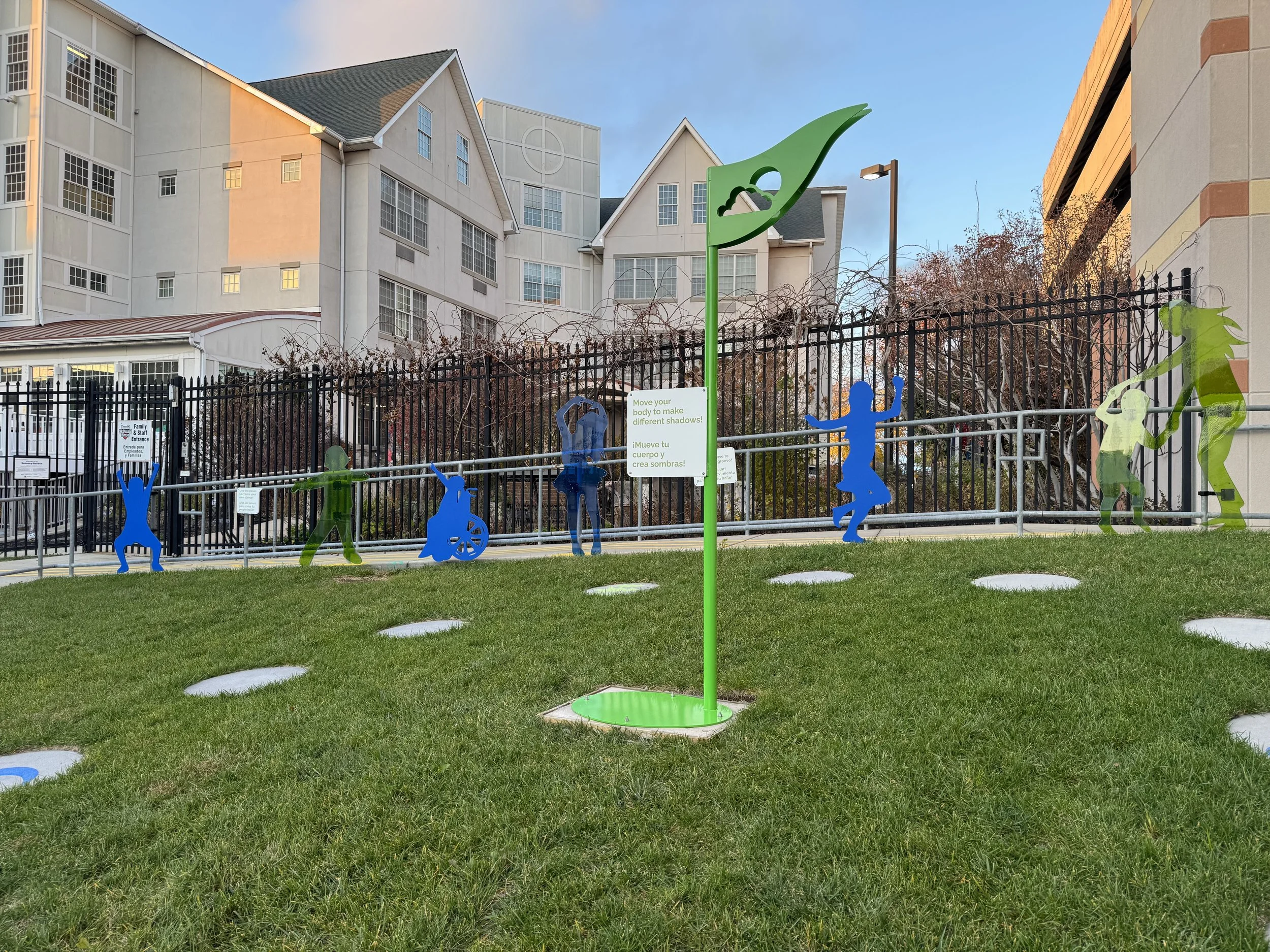
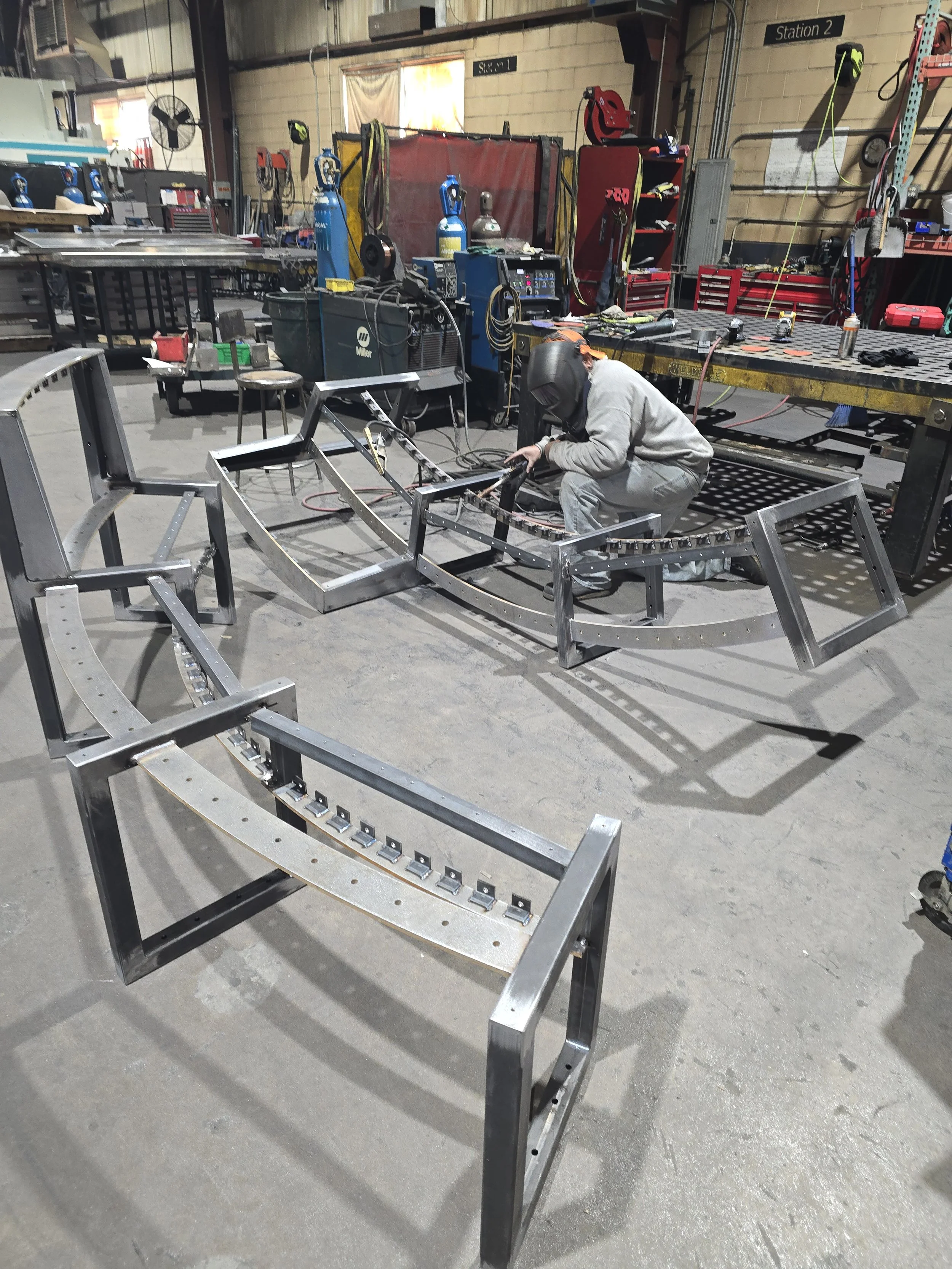
FutureTogether helped turn an empty lot into a vibrant, family centered outdoor play area anchored by custom benches, playful signage, and large scale play silhouettes that invite imaginative movement and playful learning. Working in collaboration with the project architects and stakeholders, we refined the designs for manufacturability, selected appropriate materials and finishes for heavy outdoor use, and oversaw fabrication, logistics, and installation coordination so the space could come to life.
Social Impact.
This project expands the everyday support system around pediatric healthcare by creating a therapeutic garden experience that is not clinical, but human: a place for respite, play, and connection. By situating playful learning and sensory engagement directly adjacent to the hospital and Ronald McDonald House, the garden meets families where they are, offering comfort and agency in a moment when both can feel scarce. Ronald McDonald Family Rooms are designed to keep families close to care; this outdoor space extends that mission into the landscape.
Environmental Impact.
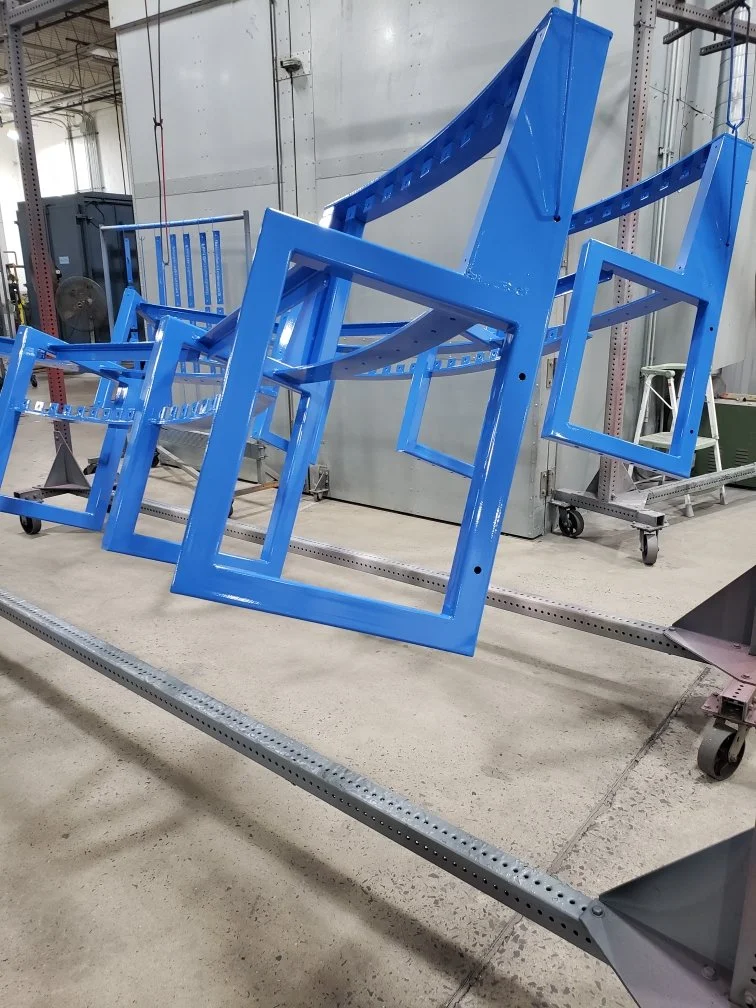
We approached the sensory garden as long life infrastructure: durable components, repairable assemblies, and thoughtful material choices suited to year round weathering and frequent use. Wherever possible, the work emphasized longevity and maintainability, supporting a lower replacement cycle and reducing waste over time.
Design Translation.
The garden’s success depended on more than good ideas. It required translation: turning playful concepts into engineered, fabricator ready solutions that could withstand public use while staying visually warm and inviting. We collaborated closely with the architect team to simplify details, reduce risk points, and optimize dimensions for fabrication and installation, while keeping the experience joyful and legible for kids.
Kit of Parts.
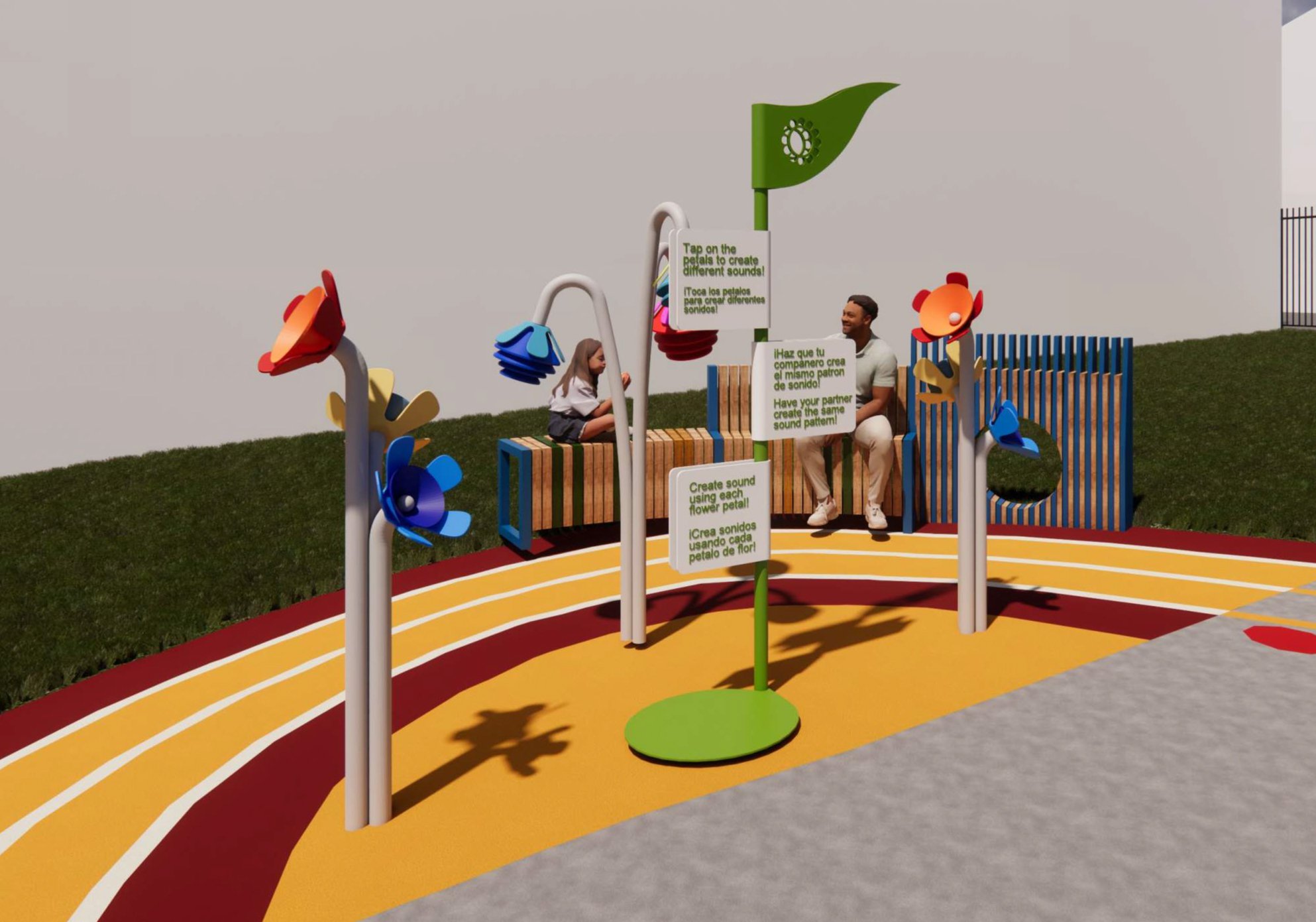
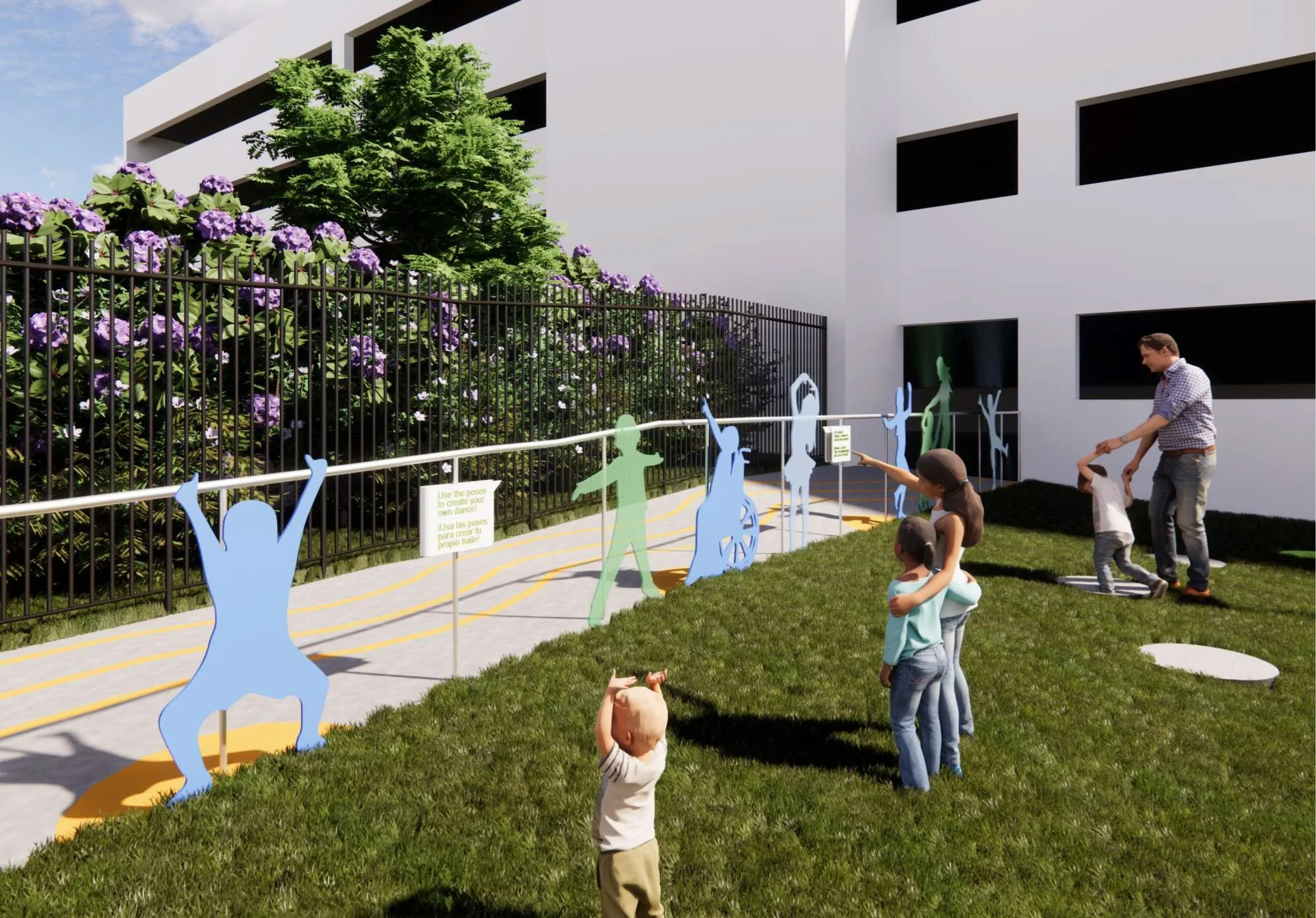
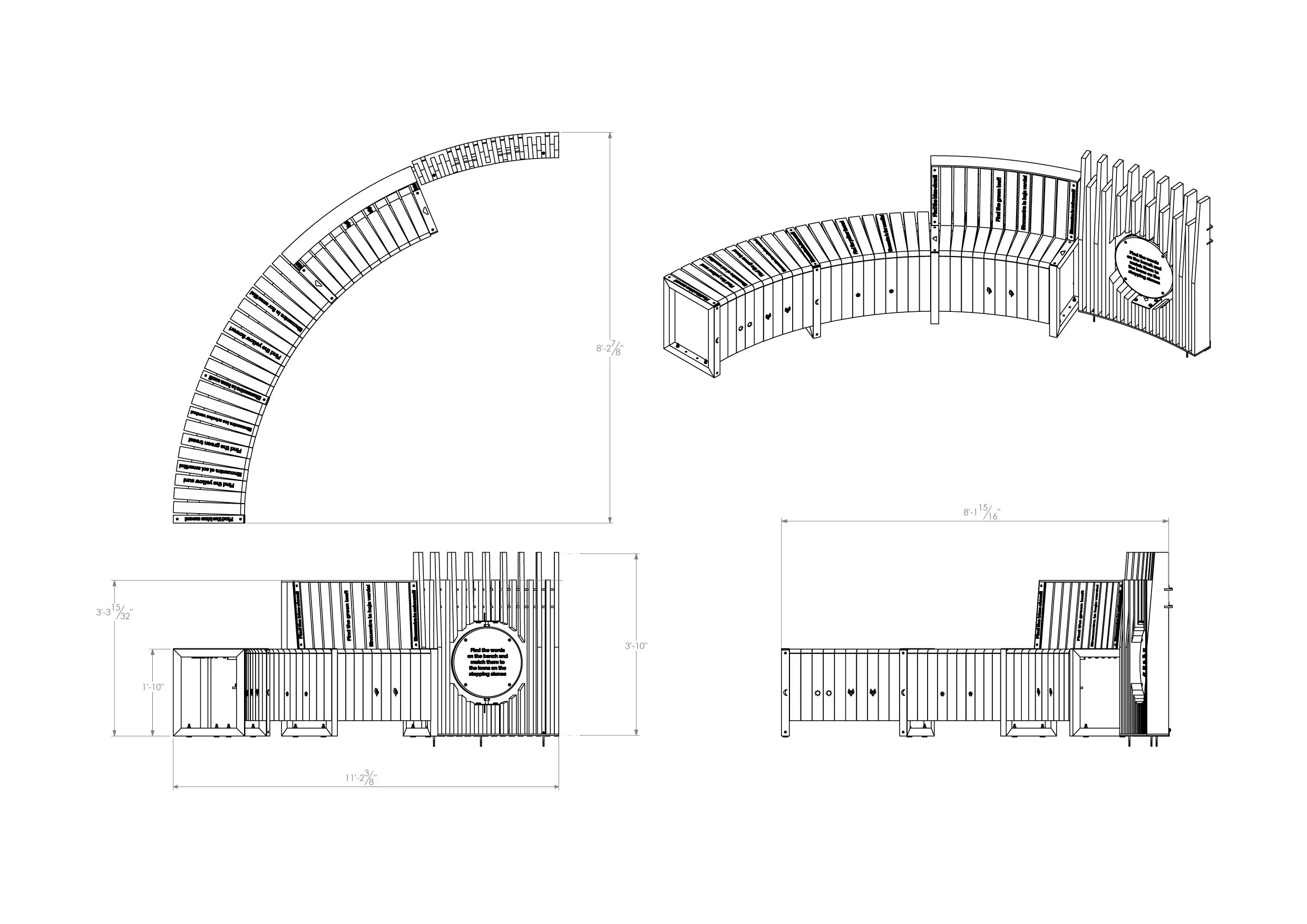
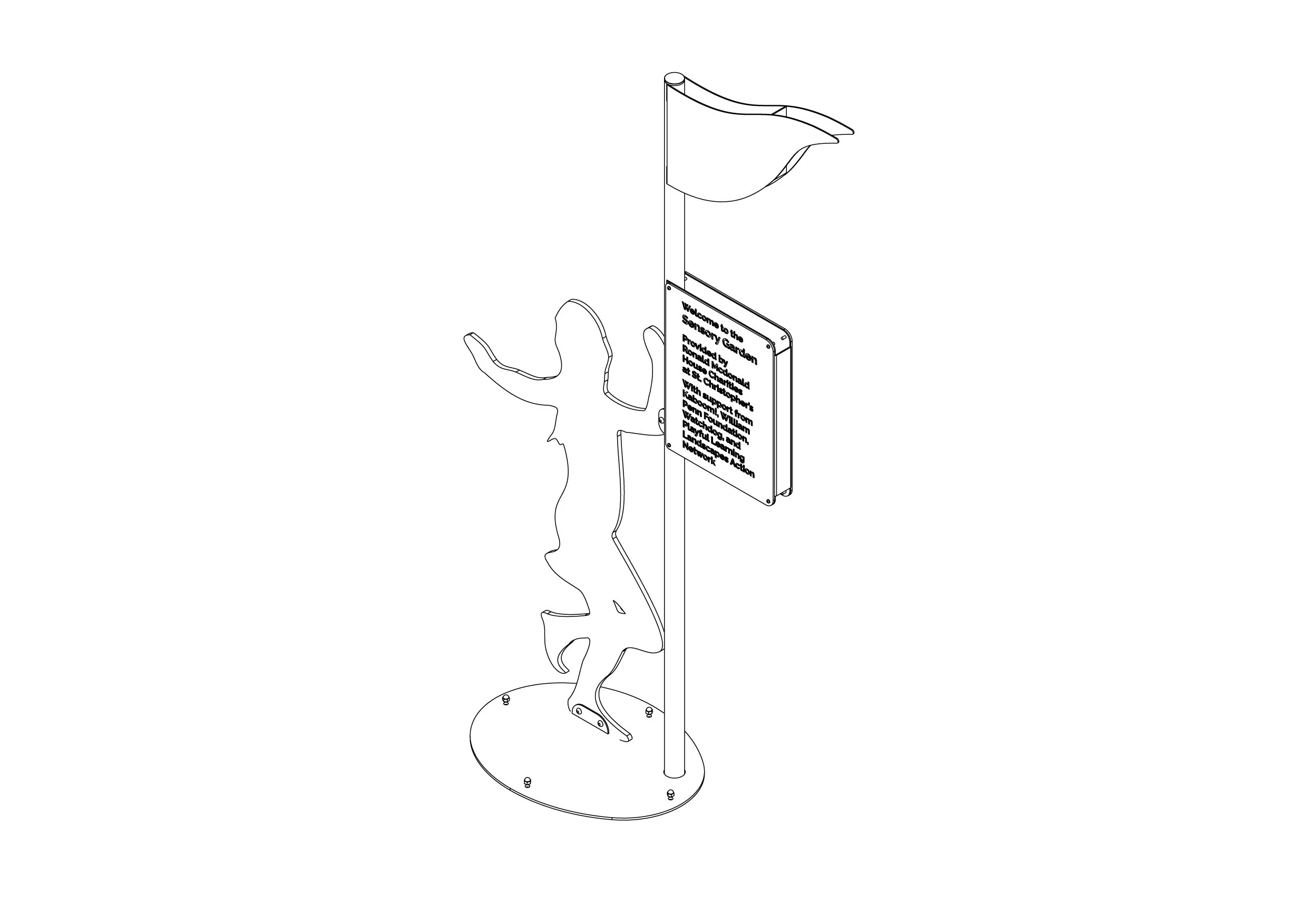
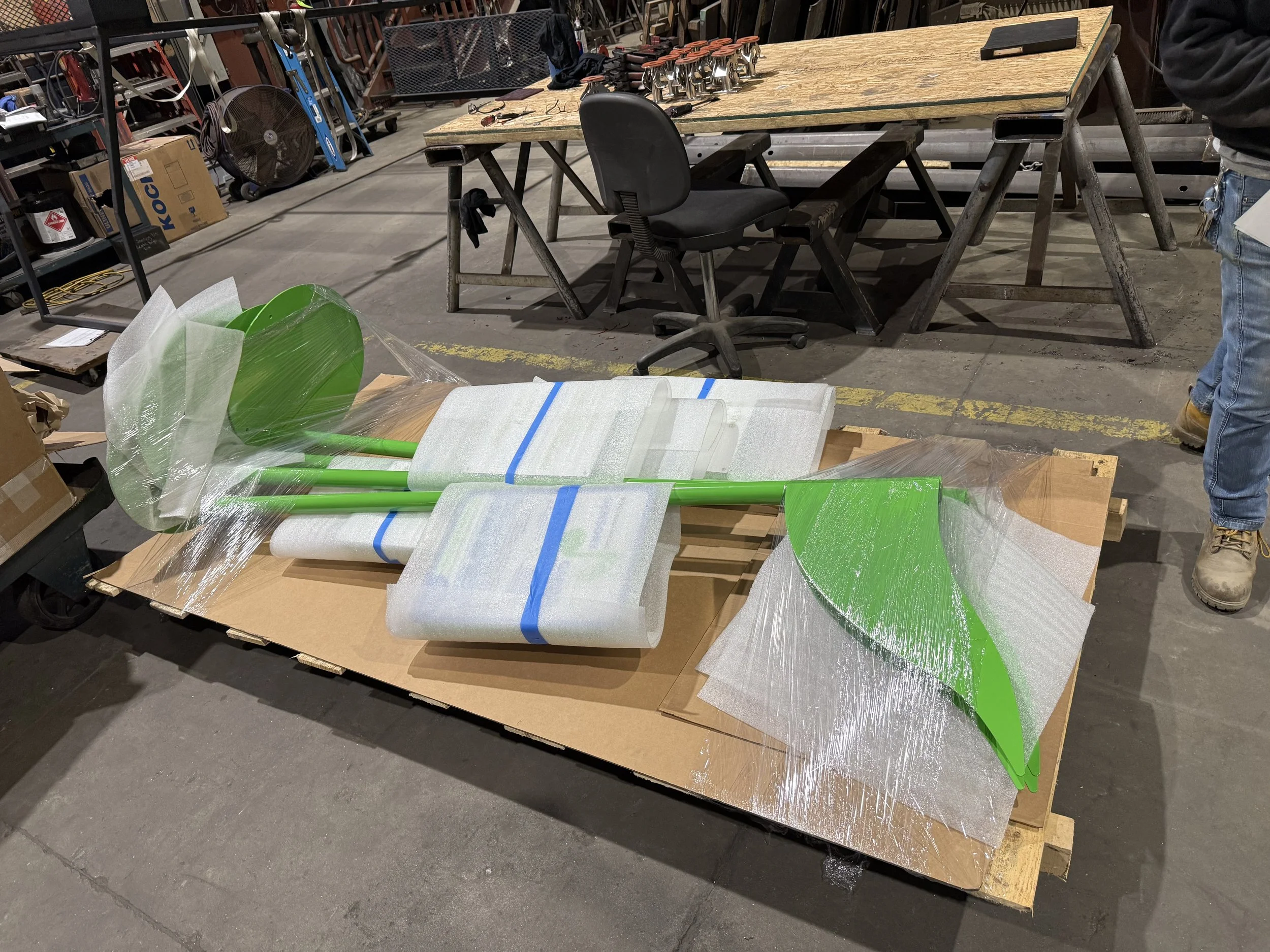
FutureTogether designed and developed the benches, wayfinding and interpretive signage, and the play silhouettes as an integrated “kit of parts” that could create multiple moments of engagement across the site. The silhouettes encourage movement and mimicry. The signs invite prompts and participation. The benches give caregivers a front row seat and a place to rest. Together, they convert a pass through zone into a destination.
Grounding Ideas.
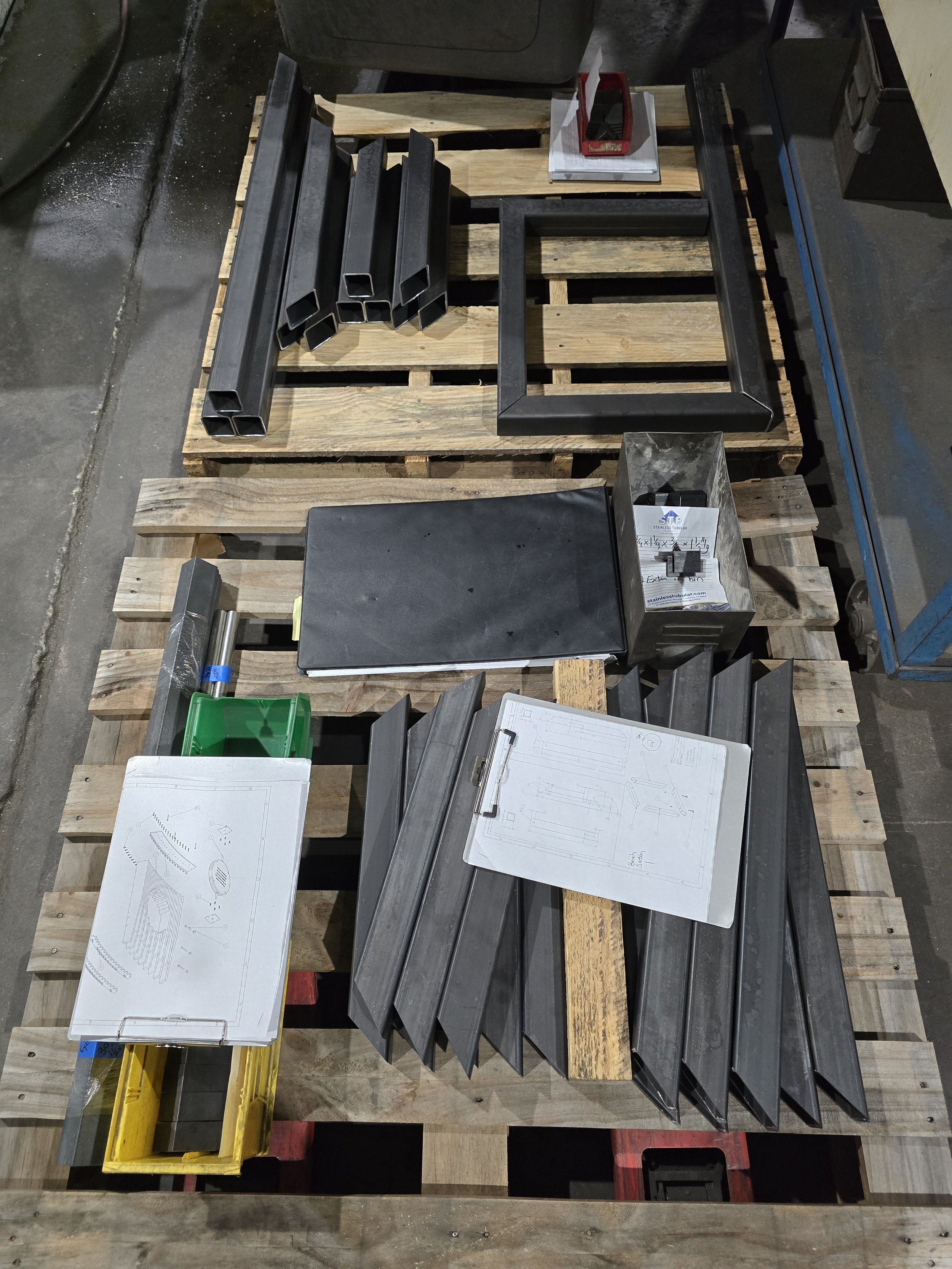
Just as important as the visible elements was the invisible work. We acted as conductors, taking cues from the architects, hospital stakeholders, and property teams; filtering, editing, and refining ideas into systems that could be responsibly manufactured and installed. Behind the scenes, we coordinated vendors, oversaw production, managed logistics, and planned installation within the constraints of an active hospital campus. The result is a playful learning landscape that feels intuitive and effortless, though it was carefully orchestrated from concept to completion.
Links & Press.