
Community Play Spinning Signs.
Interactive play sign systems designed to advance learning, equity, and everyday discovery within affordable housing environments.
Client: Playful Learning Landscapes
Industry: Realestate / Nonprofit
Services: Placemaking, Product & Service Design, Experiential and Visual Design, Sourcing and Manufacturing
Design Brief.
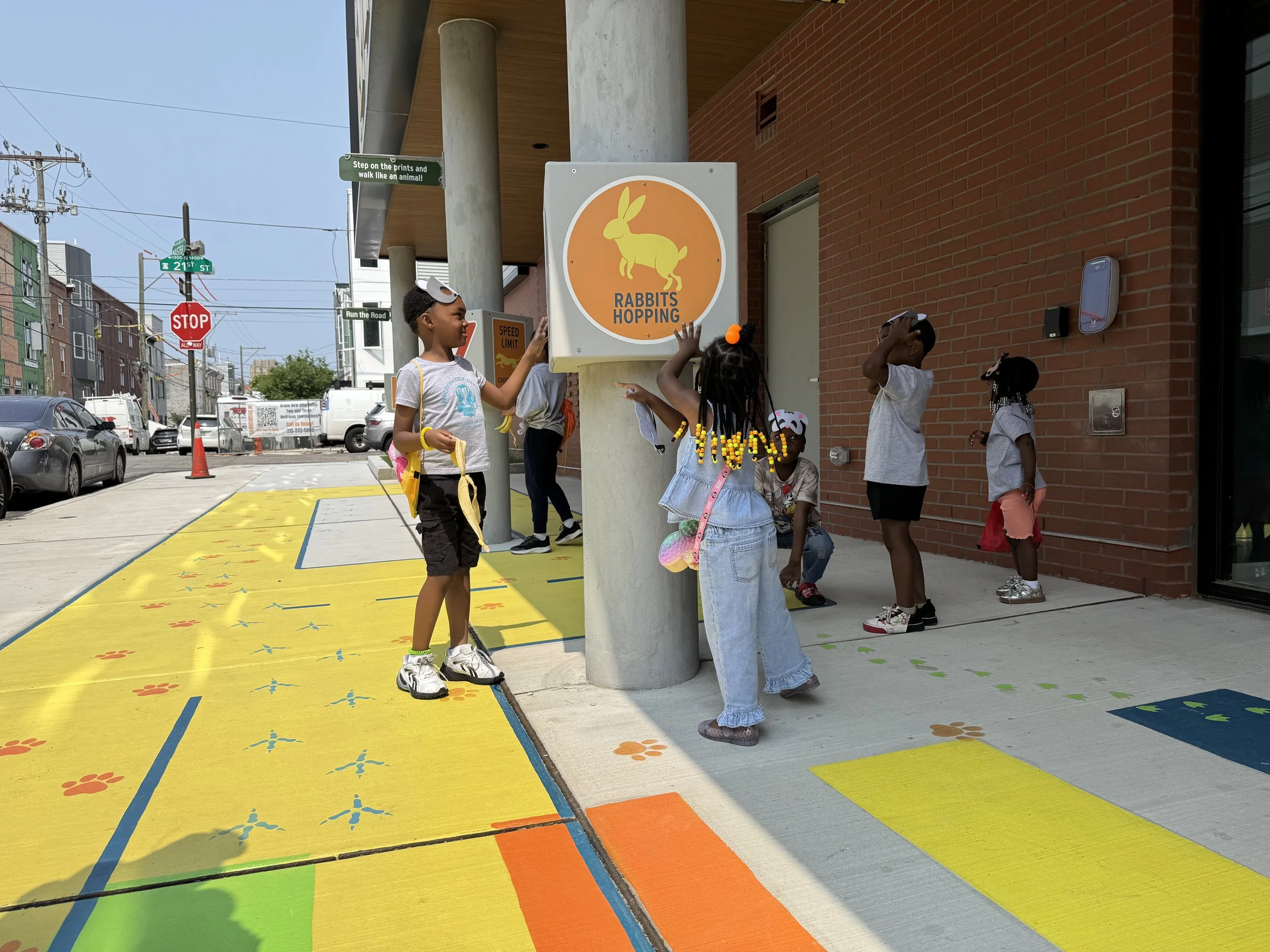
At the Sharswood Phase III affordable housing development in North Philadelphia, Playful Learning Landscapes envisioned a series of interactive spinning sign columns that would embed learning directly into the residential environment. Installed onto structural concrete columns along a primary pedestrian corridor, the intervention needed to be tactile, intuitive, and visually engaging, while also withstanding heavy daily use in an outdoor, high-touch public setting.
FutureTogether was brought in to translate conceptual ideas into engineered, manufacturable systems, guiding the graphic design team, and fabrication partners toward a durable, maintenance-free solution that could live comfortably within housing infrastructure.
Outcome.
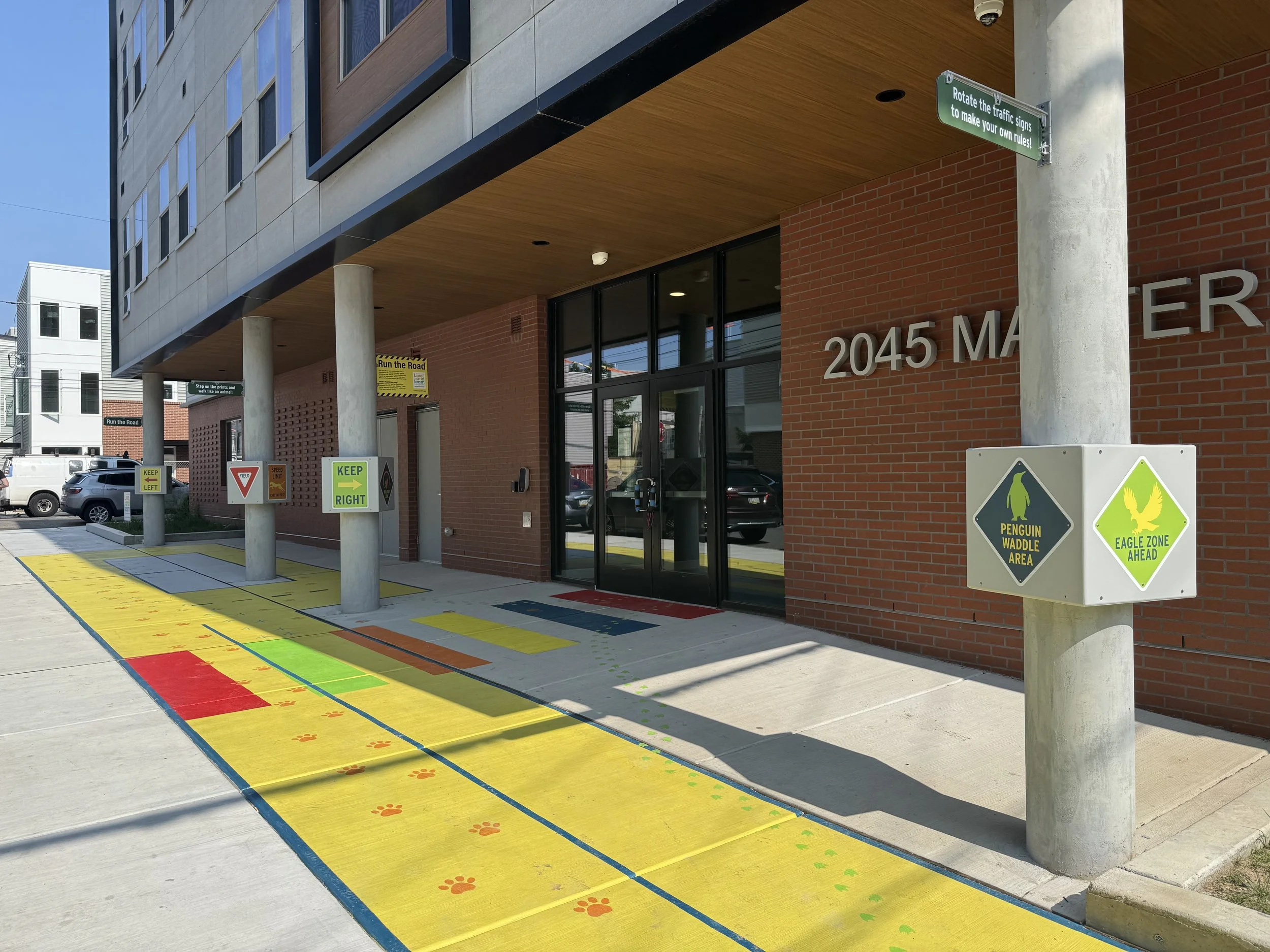
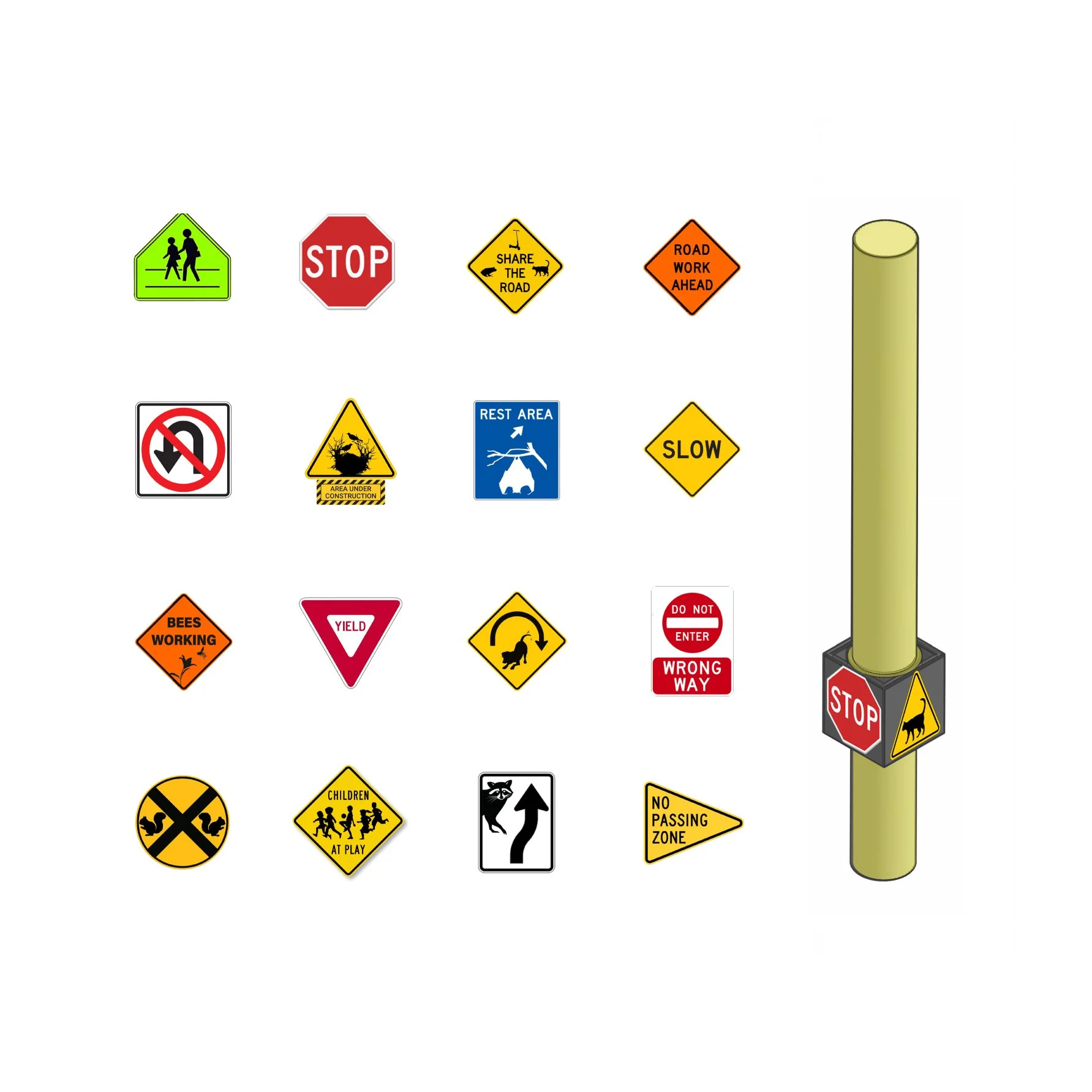
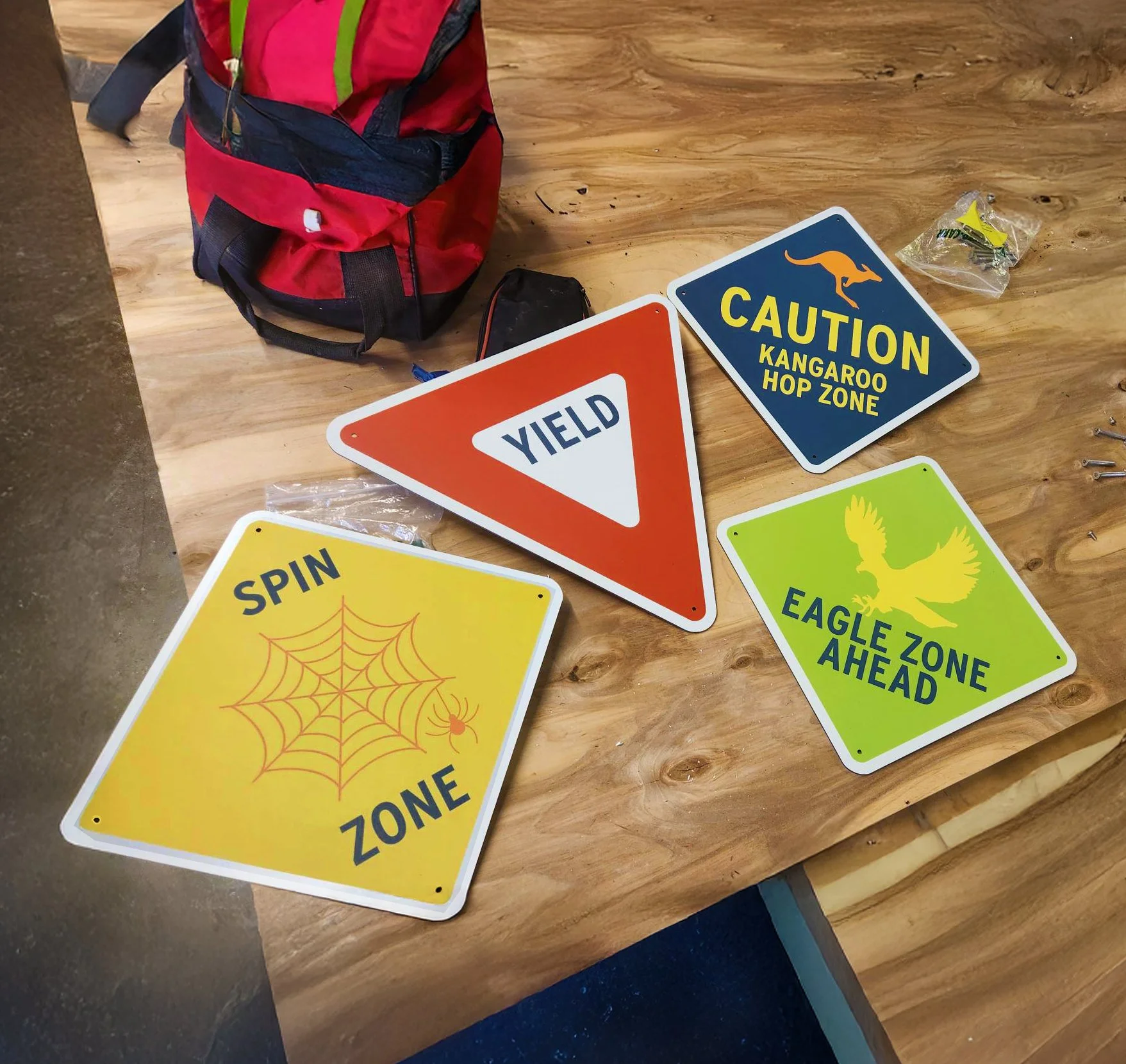
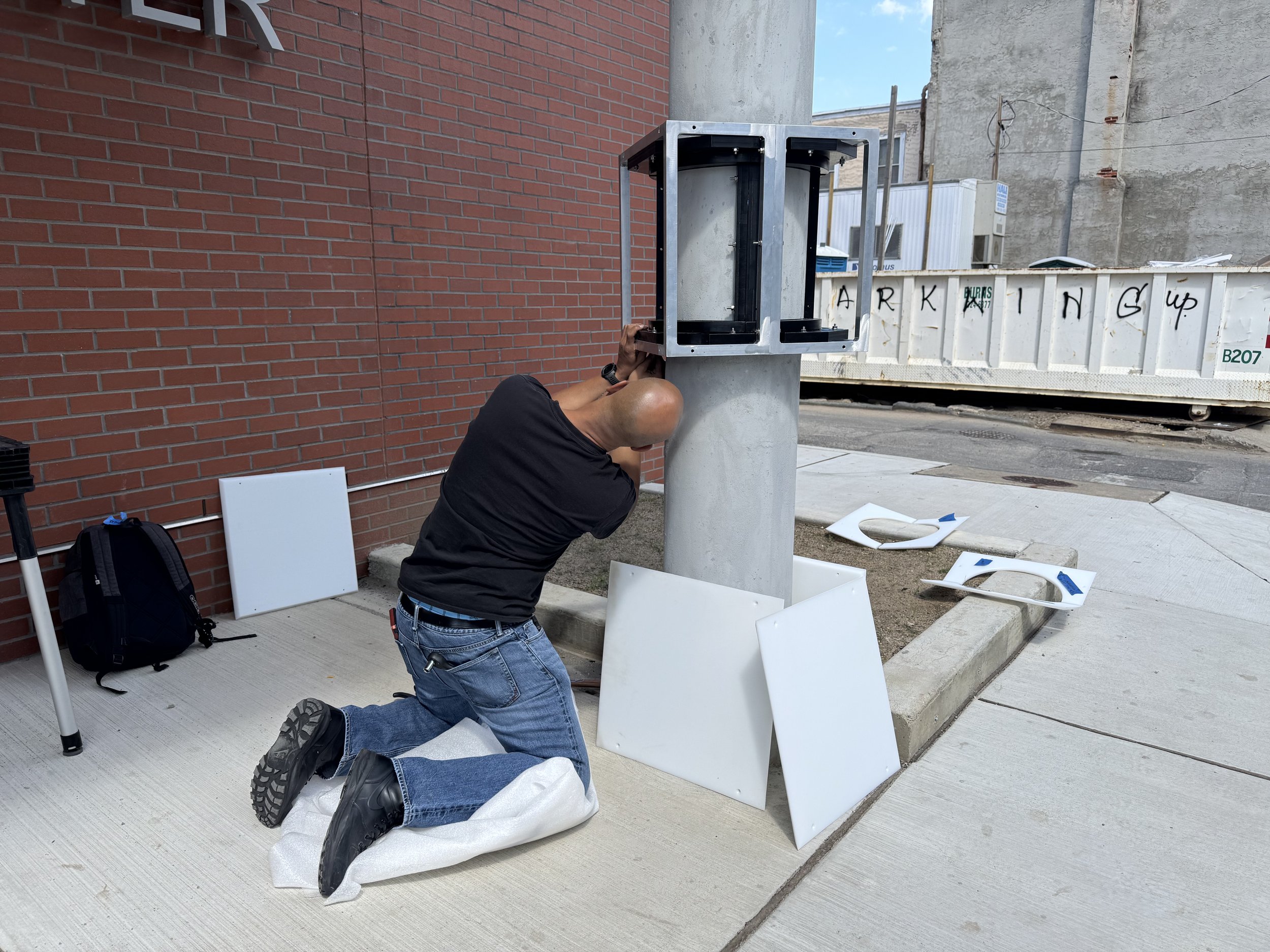
The final installation consists of rotating cube assemblies securely mounted to existing concrete columns, inviting children to spin, align, decode, and collaborate. The graphic language developed by the design team integrates seamlessly with the mechanical system, ensuring that visual storytelling and physical interaction operate as one cohesive experience.
After multiple design iterations, material studies, and mechanical testing, the team landed on a robust, weather-resistant, tamper-resistant system designed for long-term performance with minimal maintenance requirements. The columns now function as embedded learning infrastructure, seamlessly integrated into the architecture rather than applied to it.
Social Impact.
Installed within a low-income housing community and aligned with the goals of Live + Learn Philadelphia, the spinning columns expand access to playful learning beyond traditional educational settings. Children encounter them in the everyday at home, on the way to school, during outdoor play, or simply passing through.
By embedding interactive literacy and pattern recognition tools directly into residential architecture, the project reinforces educational equity where it matters most: within the community itself.
Environmental Impact.
Rather than introduce fragile or short-lived components, the project prioritized longevity. Through careful material selection, responsible sourcing, and engineering refinement, the final system minimizes maintenance needs and replacement cycles. Durable, locally fabricated components reduce long-term waste and support regional manufacturing partnerships.
Design Translation.
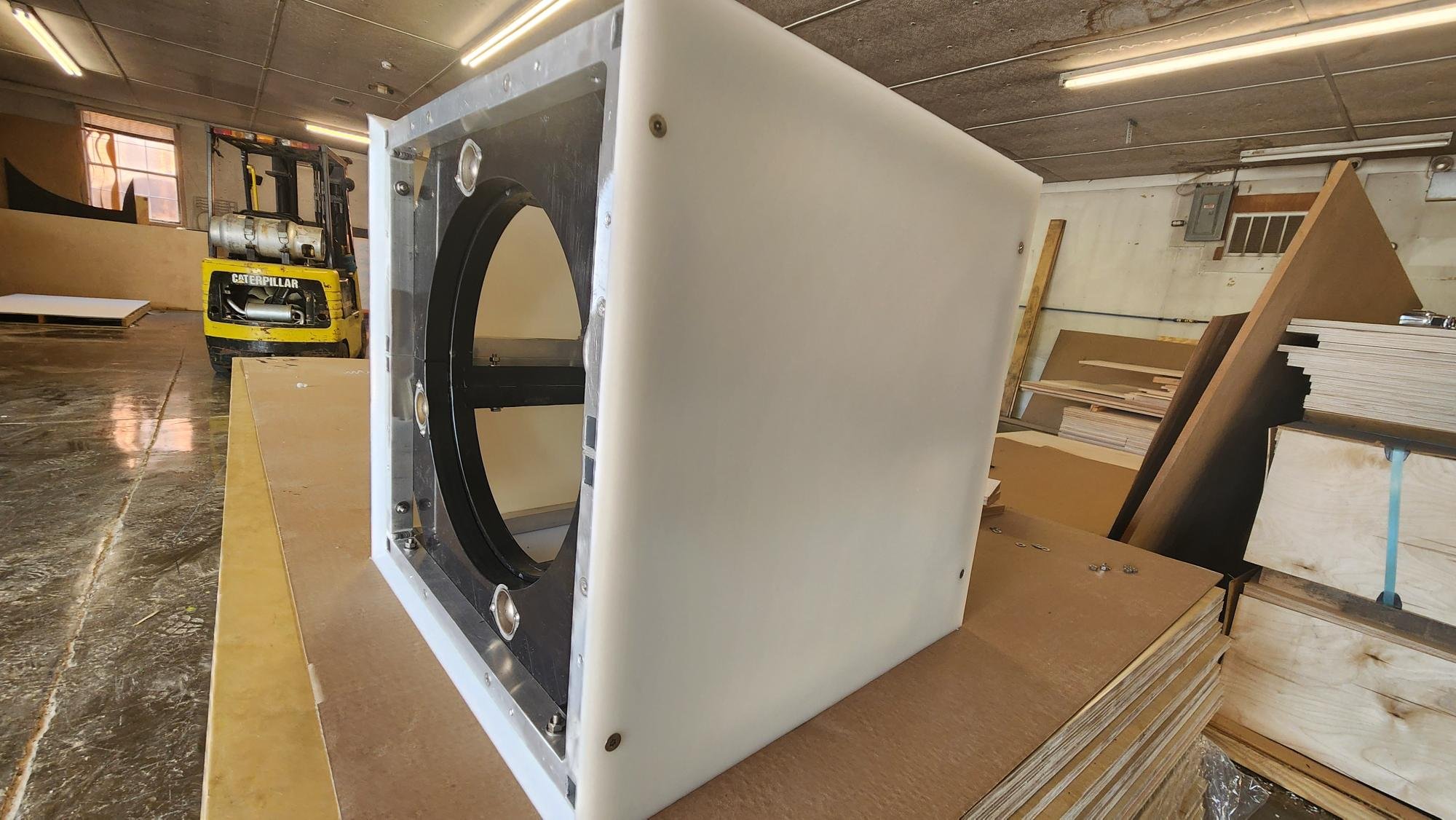
FutureTogether acted as design translator, taking input from stakeholders and converting it into an executable signage system. The process included three rounds of physical prototypes to test rotation smoothness, anchoring methods, and long-term wear. We sourced and tested multiple hardware assemblies to determine the most durable bearing and fastening solution for high-touch outdoor use. Mounting strategies were re-engineered to attach securely to existing concrete columns without compromising structure or finish.
To control costs while improving performance, we developed a modular cube system that allowed components to be prototyped, adjusted, and replaced without redesigning the entire assembly. Materials were evaluated for UV stability, tamper resistance, and ease of maintenance, ultimately resulting in a robust, low-maintenance solution engineered for longevity.
Seamless Interactions.
The spinning cubes appear simple because the complexity has already been resolved. Structural attachment, rotational mechanics, material durability, and graphic integration were all tested, adjusted, and finalized before fabrication. The system was engineered to perform reliably in a public housing environment with minimal maintenance requirements.
Projects like this demand coordination across disciplines: Architecture, graphic design, fabrication, and community stakeholders, while balancing budget, durability, and user experience. FutureTogether provides that integration, aligning design intent with buildable systems so that ambitious ideas can function long-term in the real world.
Embedded Learning.
The spinning columns stand as evidence of what can happen when research, community input, and architectural vision are carried all the way through to execution. They are tools for playful learning shaped by real constraints (place, budget, infrastructure, and long-term maintenance) and resolved through collaboration.
Rooted in the Sharswood community and aligned with the goals of Live + Learn Philadelphia, the installation translates educational research into tangible experience. It demonstrates that thoughtful design, when carried through with rigor, can embed learning directly into the everyday fabric of housing.
Links & Press.